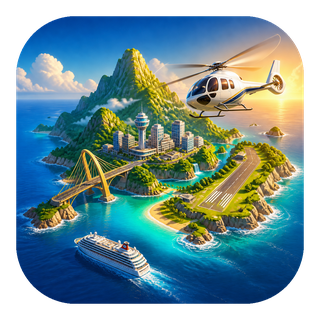
A continuous geography
Cities, medical campuses, airports, coasts, islands, and open sea share one coordinate system.
Case study · Active production
nimLandia combines an explorable island world with a production system designed to turn playtest evidence into better geography, movement, vehicles, and missions.
This is an active-development case study. A signed local macOS alpha and unsigned iOS developer export exist; public store availability still depends on the real release gates for each platform.
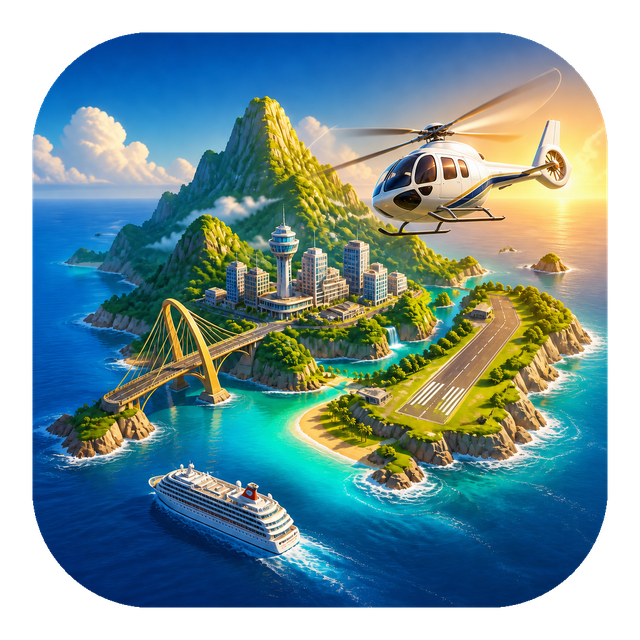
Cities, medical campuses, airports, coasts, islands, and open sea share one coordinate system.
The design joins aircraft, cars, boats, swimming, and walking rather than isolating each mode.
The economy caps cash, rejects pay-to-win design, and makes friendship and activity the primary path forward.
Development evidence
These are approved in-game beauty captures with exact source hashes retained—not invented marketing screenshots.
01
Holy Land mission family
Ararat, Ark, Exodus, Tabernacle, and era-separated Jerusalem work is governed by source ledgers, sacred boundaries, and a visible distinction between Scripture and adventure fiction.
Read the Holy Land architecture02
Player economy
The $19.99 base-game model, $1 transaction ceiling, $10 monthly funding cap, and earn-only mode ladder are one product promise.
Read the economy law03
Multiplayer engineering
Desktop ENet over LAN/Wi-Fi is implemented. Bluetooth controllers are input; Bluetooth gameplay networking is not implemented. Cross-platform and Apple-native discovery remain active gates.
Read the multiplayer state04
Production system
Deterministic Blender specifications, nimCyclopedia reviews, waypoint captures, TAP gates, migrations, and reversible releases keep the build inspectable.
See the production loopKeep exploring
© 2026 nimLandia studio. Platform availability remains subject to completed release and store-review gates.